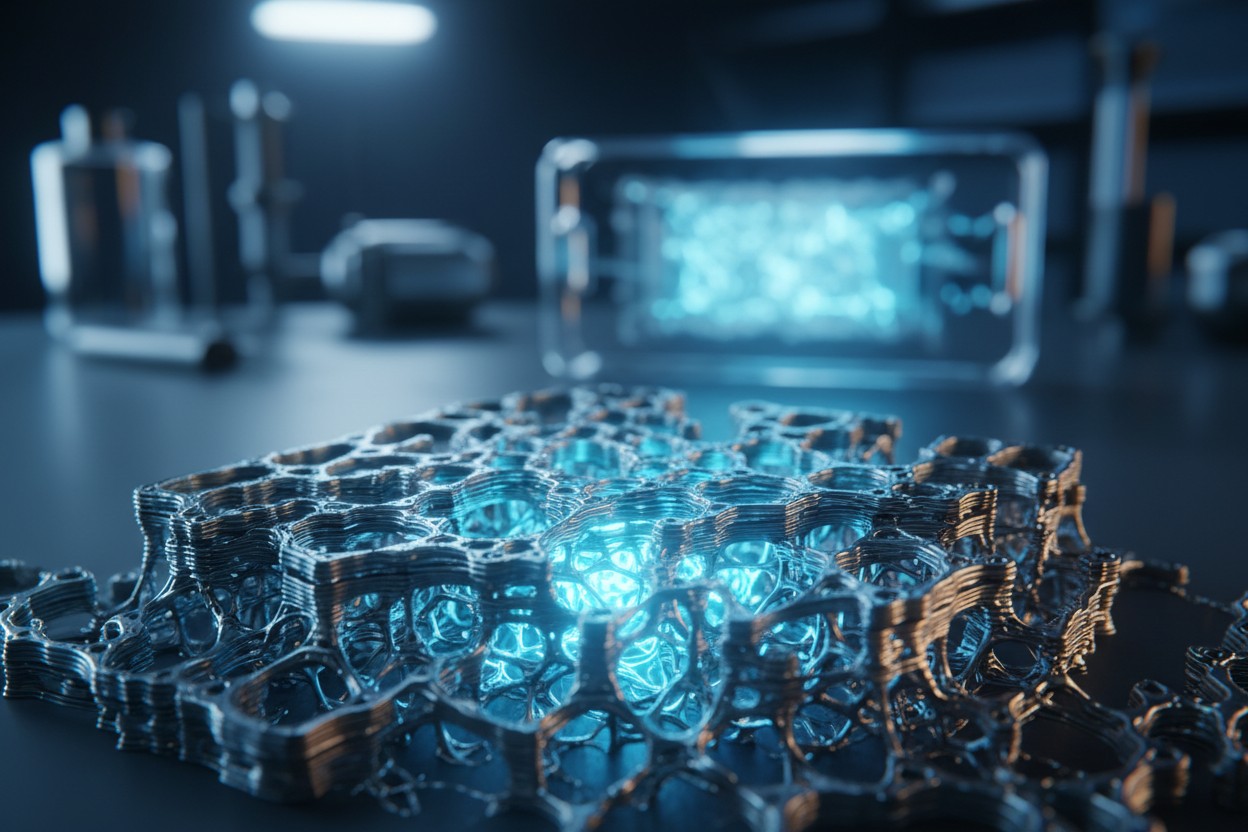
New Lithium Extraction System Handles 5,000 Barrels of Brine Daily at Commercial Plant
07/14/2026 / By Chase Codewell
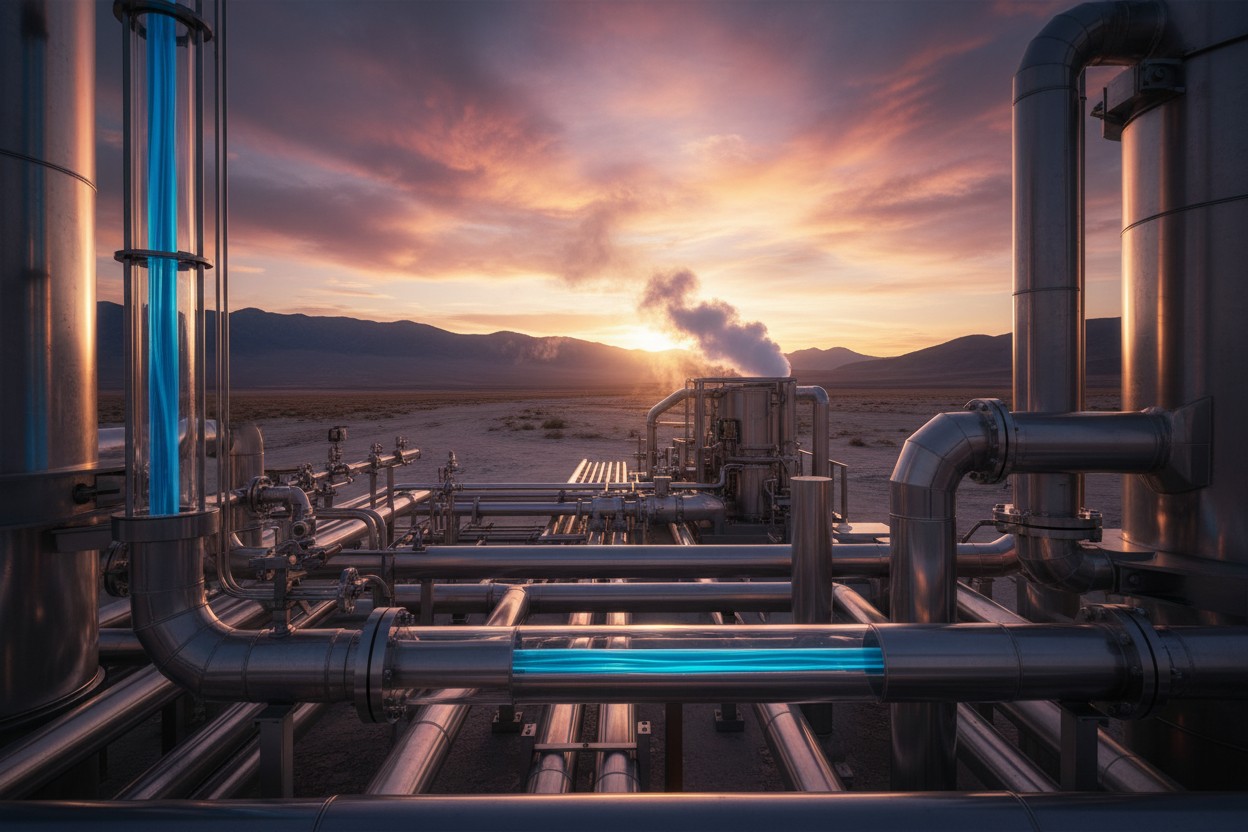
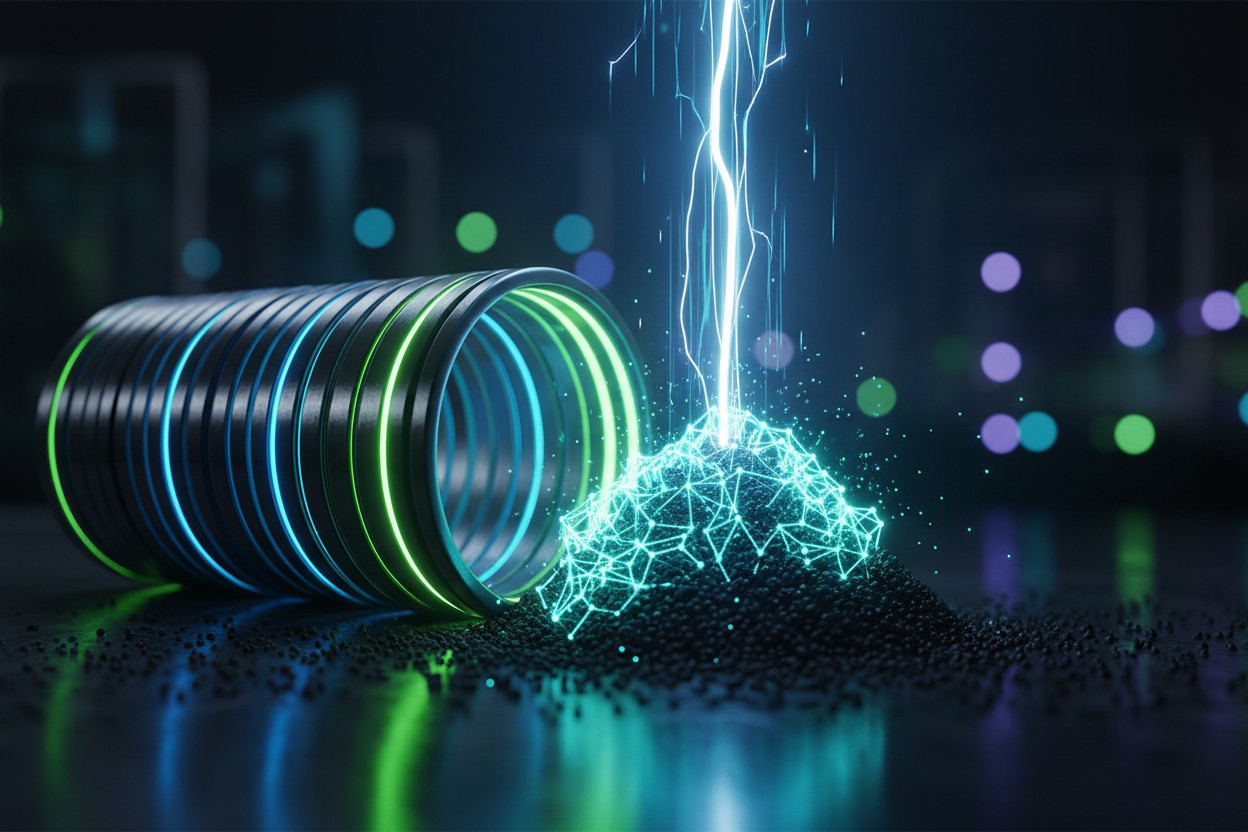
A new lithium extraction system, the LibertyStream Gen6, has begun operation at a commercial plant, processing 5,000 barrels of brine per day, according to company officials. The plant is located at an unspecified site believed to be in the southwestern United States and represents the first commercial-scale deployment of the Gen6 system.
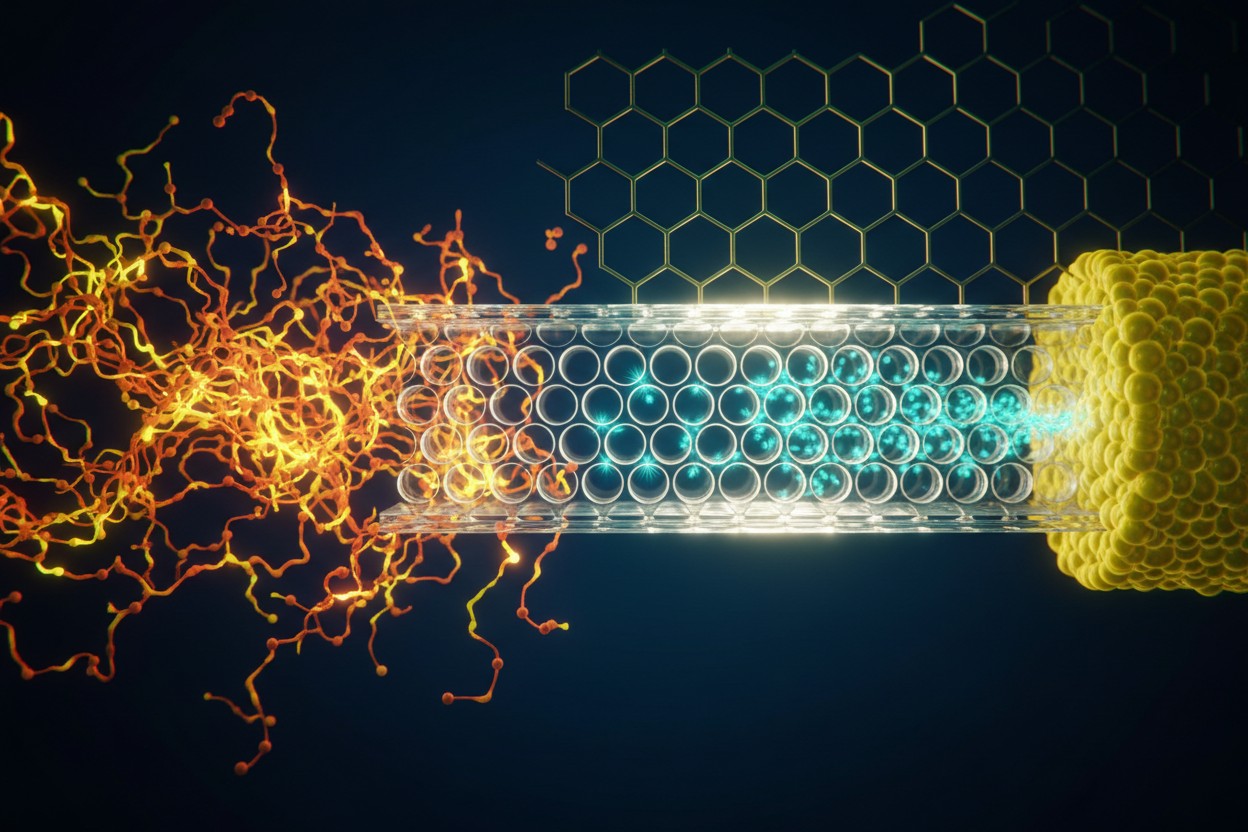
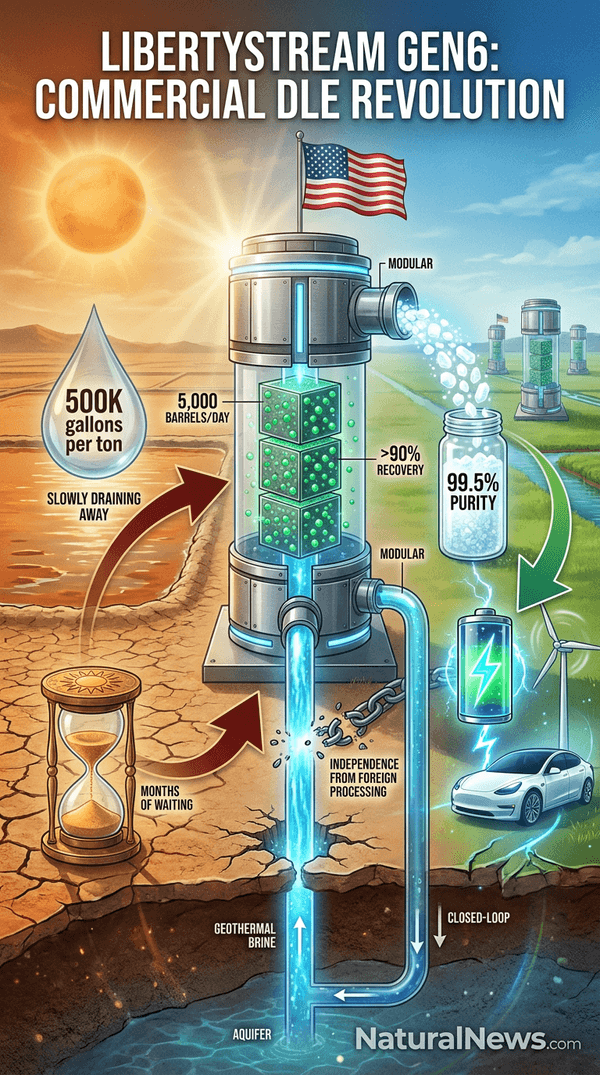
The system uses direct lithium extraction (DLE) technology, which separates lithium from brine without the need for large evaporation ponds that typically consume significant water and land resources. Company representatives said the process achieves lithium recovery rates above 90 percent.
Technology and Operation
Direct lithium extraction has drawn increasing attention as a potential improvement over conventional methods. Researchers at Columbia Engineering, for example, developed the S3E process, which uses a temperature-responsive solvent to extract lithium up to 10 times more selectively than sodium and 12 times more than potassium, even from low-concentration brines, according to a study published in Joule and reported by NaturalNews.com [1]. The LibertyStream Gen6 system is designed to operate continuously, processing the equivalent of 5,000 barrels of brine daily.
By contrast, traditional lithium extraction from brines often relies on evaporation ponds that can require months of evaporation and large volumes of water. The Atacama salt flat in Chile, a major source of lithium, has been associated with water depletion and ecological disturbance, according to a report from ANH International [2]. DLE systems are intended to reduce such impacts by circulating brine through a closed-loop or semi-closed processing circuit.
Commercial Deployment and Output
The plant is the first commercial-scale installation of the Gen6 system, according to the company. It is designed to produce battery-grade lithium carbonate or lithium hydroxide, which are essential materials for cathodes in lithium-ion batteries. Company officials said the output will be supplied to manufacturers of electric vehicle batteries and stationary energy storage systems.
The facility is part of broader U.S. efforts to strengthen domestic supply chains for critical minerals. North America’s first battery-grade lithium hydroxide refinery opened in Texas in January 2026, as reported by Just the News [3]. In June 2025, President Donald Trump moved to invoke emergency powers to bypass regulatory hurdles and fast-track domestic mining and processing of critical minerals, including lithium, according to an article by Ramon Tomey [4].
Environmental and Economic Context
Company officials said the LibertyStream Gen6 aims to reduce the environmental footprint compared with conventional mining and evaporation-pond methods. However, the environmental costs of lithium extraction overall remain a subject of criticism. The processes required to extract lithium from the earth to turn it into batteries for devices are highly toxic, according to a report from NaturalNews.com [5]. In the Atacama region, lithium mining operations have drawn scrutiny for their water use in an already arid environment, as noted by ANH International [2].
Economically, the system is expected to offer lower operating costs per ton of lithium produced, although the company did not disclose specific figures. The U.S. is seeking to reduce its dependence on China, which controls a significant share of global lithium processing capacity. China’s monopoly on critical minerals threatens global energy independence, according to an analysis by Lance D. Johnson [6]. Domestic projects such as the LibertyStream plant aim to help shift the supply balance.
Future Plans and Industry Reactions
The company announced plans to deploy additional LibertyStream Gen6 units at other brine sites, according to a press release. The expansion is intended to help meet projected growth in lithium demand, which is driven by electric vehicle adoption and grid-scale energy storage needs.
Industry observers have noted that advances in direct lithium extraction technology could play a key role in expanding supply while mitigating some environmental concerns. New methods such as the S3E process have demonstrated the ability to extract lithium rapidly and selectively from brines, even those previously considered uneconomical, according to the report on Columbia Engineering’s work [1]. One analyst quoted in the company’s release described the system as “a step forward for sustainable extraction.”
References
- NaturalNews.com. “Scientists unveil game changing lithium extraction method that could transform EV battery production”. NaturalNews.com. May 28, 2026.
- ANH International. “Lithium Fields Out of Sight Out of Mind”. ANH International. October 17, 2024.
- Just the News. “North America’s first lithium refinery built and completed in Texas”. January 20, 2026.
- Ramon Tomey. “Trump to invoke emergency powers to boost domestic production of CRITICAL MINERALS”. NaturalNews.com. June 7, 2025.
- NaturalNews.com. “Lithium batteries used in EVs and other green technology are anything but clean”. NaturalNews.com. October 24, 2022.
- Lance D. Johnson. “China’s mineral monopoly threatens global energy independence as nations scramble for alternatives”. NaturalNews.com. May 22, 2025.
- Eisl Markus. “Water exploring the blue planet”.
- Jay Lehr. “Alternative Energy and Shale Gas Encyclopedia”.
Explainer Infographic
Submit a correction >>
Tagged Under:
battery, breakthrough, critical minerals, Direct Lithium Extraction, energy independence, future science, future tech, inventions, LibertyStream, lithium, lithium processing, lithium recovery, metals, new energy, power, progress, supply chain
This article may contain statements that reflect the opinion of the author
RECENT NEWS & ARTICLES